
OWL 5 years
“Even though we’re growing rapidly, it’s important to stay true to our core values.”
2024 was the year OWL turned 5. So, while we’re a young company, we’ve already accomplished quite a lot. In addition to building strong partnerships with clients across various industries, we’ve built a team-based organization where we learn from and trust one another, where we’re empowered to take responsibility and grow quickly—and where commitment to the client and work-life balance are our top priorities.
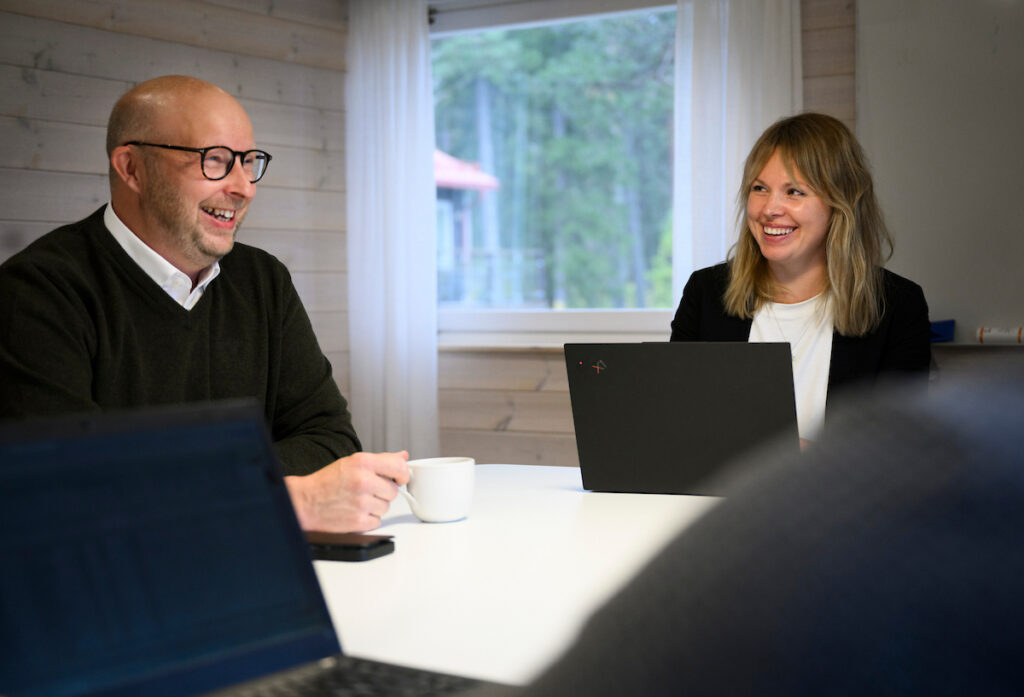
Before Markus decided to found OWL, he had worked as an independent consultant for several years, including as an advisor on corporate acquisitions and as an interim CFO. Prior to that, he had many years of experience in transaction advisory services at EY and as a CFO.
During his years as a consultant, it became increasingly clear to Markus that there was a gap in the market. There was a need for a nimble consulting and accounting firm for mid-sized clients.
– I’ve found that medium-sized companies tend to fall through the cracks. There are plenty of small firms with 1–5 employees that have the capacity to help smaller companies. And then there are a few really large firms that primarily cater to very large global corporations. I wanted to start a firm with the capacity to offer high-quality services to mid-sized companies—and one that has the time to get involved in the companies’ operations.
In the summer of 2019, Markus quietly launched the new company, OWL, and when Emma Sigurd joined after the summer, they got things off to a serious start together. From the very beginning, Markus has been responsible for growth through sales and development, while Emma has served as CEO.
– I’m incredibly grateful to have had Emma on board from the very beginning. She has been a key factor in our success, helping us grow in a sustainable way and foster a strong culture.
Outdated work methods were quickly shelved
An important part of OWL’s business model is its process-oriented approach, which is based on employees working in teams and following a defined workflow. This has been a way to move away from traditional, outdated work methods and give employees greater opportunities to achieve a better work-life balance.
– Adopting a process-oriented approach wasn’t something I had planned from the start, but after looking at companies in other industries, I realized just how far behind our industry is. By learning from others when it comes to streamlining workflows in large-scale processes, we’ve been able to free up time for what matters most: advising clients and providing personalized attention.
The process-oriented approach is thus based on employees working on different aspects of the delivery to the customer. A new employee learns from more experienced colleagues and works with many different customers simultaneously within a specific area. This results in a steep learning curve for the employee, which in turn creates opportunities for a rapid increase in responsibility. The team- and process-oriented approach reduces the business’s vulnerability and makes it less dependent on individual employees. It also gives employees greater freedom—something that has always been important to Markus.
– I don’t think life should be all about work. In our teams, anyone can take over another person’s tasks. That means that if you’re sick, want to take a vacation, or need time off for any other reason, you can do so without causing problems for the rest of us. For example, we have several employees who combine their jobs with elite-level competition in skiing or biathlon, and that wouldn’t be possible with a traditional work setup.
The Crucial Issue of Recruitment—A Success Story?
As OWL has grown and become more established as an agency, it has also become easier to recruit. More people have heard of the agency, and we have more ambassadors in the form of employees, clients, and partners.
– Finding the right people is essential to building a business based on our core values: wise, customer-focused, and proactive. We’re happy to hire both junior and senior employees; the main thing is that they fully embrace our way of working. Today, I’d say we’re a young but experienced team.
Markus does not see a young age as a problem, as long as the individual is driven and committed. OWL is at the forefront of automation, and hiring people who have grown up in the digital age is a clear advantage.
– For more experienced employees, our way of working may feel unfamiliar, especially if they’ve spent many years at a traditional agency. But anyone who’s open to learning new things has a great chance of thriving here! Plus, a role with us offers a unique opportunity to get involved and contribute across many different areas, thereby helping to shape the future of our business!
The fact that OWL has managed to build a strong employer brand in such a short time makes Markus both proud and happy.
– Just a few weeks ago, the Central Sweden Chamber of Commerce actually called and asked us to come to an event and talk about how we approach employer branding. They’d heard that we’re such a highly regarded employer! It feels fantastic to have gotten to this point in just five years. It seems we’ve managed to set ourselves apart in our communication and that we can offer the kind of value candidates are looking for.
About the Future and Daring to Grow
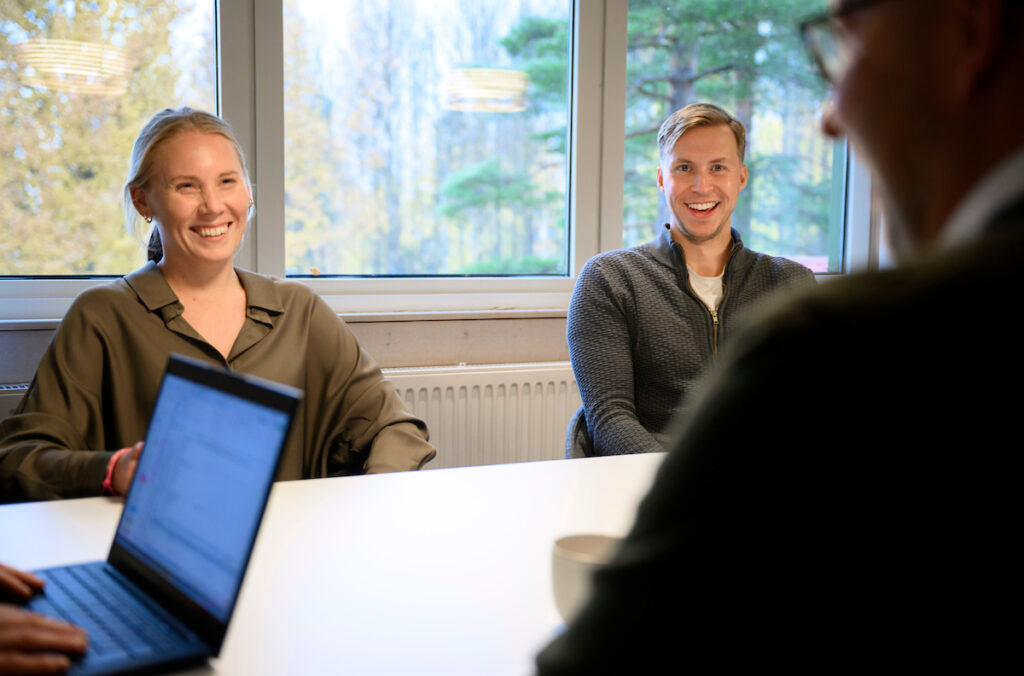
OWL has grown rapidly over the past five years. Revenue has nearly doubled every year since the company was founded, and the number of employees will reach 19 at the start of the new year. According to Markus, there is good potential to continue at this pace.
– It’s through growth that we develop as a company. Our recipe for success has actually beendaringto grow quickly. By investing heavily in marketing, employer branding, process development, and individual development, we’re certainly taking a financial risk, but at the same time, we’re building a strong company and a strong brand, and we’re gaining skilled and satisfied employees who can deliver even more value to our customers.
Markus emphasizes, however, the importance of growing in a sustainable way—so that the core values are preserved, current employees stay, and OWL does not become a tired and rigid organization.
– Right now, we have a lot of momentum, but the big challenge is maintaining our entrepreneurial culture. We have the potential to become a leading player in the industry, and we want to do so without losing the personal commitment that is our strength.